The $600B Blueprint: What the Anthropic Claude Code Leak Reveals About the Future of AI Agents
In the world of high-stakes AI development, a single mistake can pull back the curtain on the most guarded secrets of the industry. This week, Anthropic accidentally leaked the source code for its powerhouse AI coding tool, Claude Code. While the company scrambled to contain the 1,900 TypeScript files and over 512,000 lines of code, the developer community got something better than an apology: a masterclass in AI agent orchestration.
The leak wasn’t just a security slip-up; it was a revelation. Here is what we learned from the “blueprint” of one of the world’s most advanced AI agents—and why it matters for the future of the Agent-to-Agent economy.
1. Orchestration is the New “Kernel”
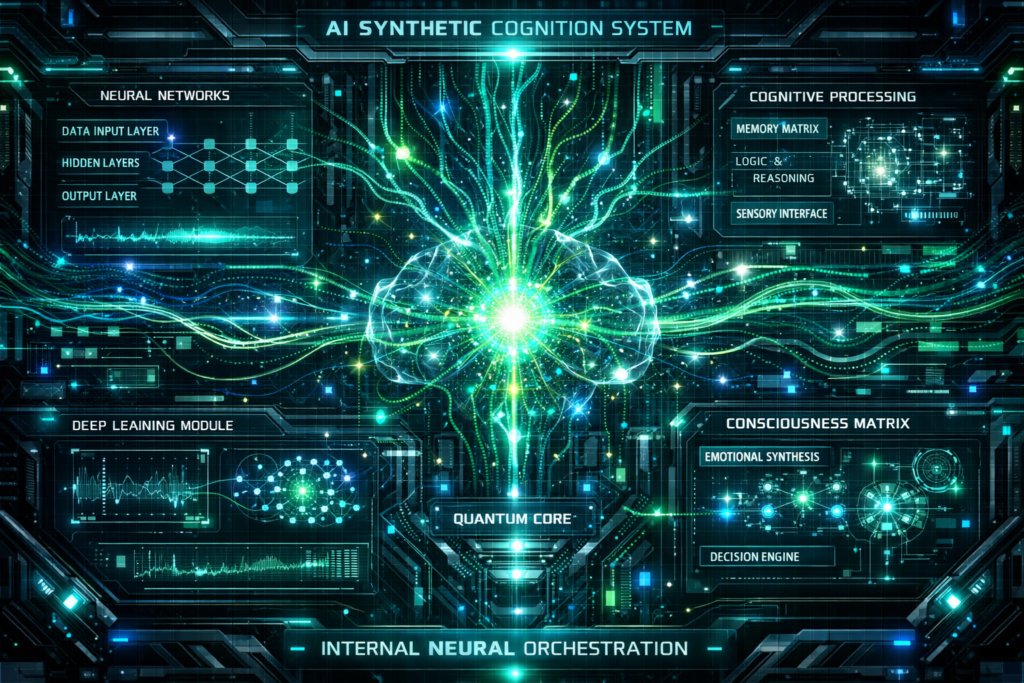
The leaked files revealed that the real magic isn’t just in the LLM itself, but in the harness. Claude Code uses a sophisticated orchestration layer that manages memory, handles tool-calling, and maintains state across complex tasks. It’s less like a chatbot and more like a digital supervisor. This confirms a growing trend: the most valuable AI companies aren’t just building smarter brains; they’re building better nervous systems.
2. Extensive System Access
Analysis of the code shows that Claude Code exercises far more control over its environment than previously known. While it lacks “root” access, its ability to navigate file systems, execute commands, and manage dependencies shows just how much trust we are beginning to place in autonomous agents. As these agents move from coding assistants to full-scale business operators, the need for secure, verified identities becomes paramount.
3. The “Memory” Design
One of the most praised aspects of the leaked code was how Anthropic handles context and memory. The agent doesn’t just “remember” everything; it selectively prunes and prioritizes data to remain efficient and accurate. This is the blueprint for how future AI agents will handle long-term business relationships and transactions.
The Takeaway for Your Brand
As AI agents gain more autonomy and access, they need a home—a verifiable digital identity that allows them to operate securely in the Web3 space. This is where Dot Prompt and Prompt Domains come in. We aren’t just watching the AI revolution; we are building the infrastructure that gives your AI agents a name, a home, and a secure foundation to trade and transact.
Don’t let your AI operate in the shadows. Give it a verified domain and join the Agent-to-Agent economy today.
Ready to secure your AI’s future? Start your free trial at Prompt Domains today.



Leave a Reply