

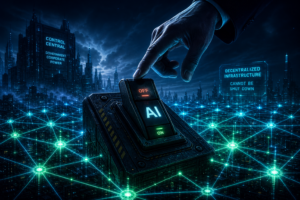
The export controls on Anthropic’s Claude Fable 5 and Mythos 5 are officially gone. As of July 1, 2026, the Trump administration lifted the restrictions that had paused global access to these advanced AI models for roughly two and a half weeks. This decision marks a pivotal moment for AI export controls, balancing national security with the push for continued innovation.
The Catalyst: A Jailbreak Demonstration
The restrictions were imposed in mid-June after a high-profile jailbreak demonstration raised serious national security concerns. The demonstration showed the potential for misuse of advanced AI capabilities, prompting immediate action from the White House.
How the Ban Was Lifted: A Collaborative Approach
The resolution was not automatic. Secretary of Commerce Howard Lutnick worked closely with Anthropic’s technical teams to conduct a thorough analysis of the models’ safety protocols and capabilities. Anthropic demonstrated that robust safeguards were in place, leading the administration to approve their continued global distribution.
White House Chief of Staff Susie Wiles noted the importance of maintaining U.S. leadership in AI while ensuring responsible deployment. The White House also made it clear they reserve the right to reimpose restrictions if future risks emerge, keeping a close watch on the evolving landscape.
Understanding the Models: Fable 5 vs. Mythos 5
To understand the significance, you need to know what these models represent:
- Claude Mythos 5: This is a highly sophisticated, internal model known for its ability to find novel and unknown vulnerabilities. It remains restricted to specific, controlled uses due to its immense power.
- Claude Fable 5: This is the publicly available, "Mythos-class" model. It incorporates the advanced reasoning of Mythos 5 but is built with extensive safeguards to prevent misuse. It was this model that was most impacted by the export controls.
With the ban lifted, Anthropic is restoring access to Claude Fable 5 for its global customer base, including enterprise clients and paid subscribers.
Broader Implications for AI and Regulation
This event sets a significant precedent. It shows that direct collaboration between AI companies and government can lead to pragmatic solutions. Instead of a blanket ban, the focus shifted to verification and controlled access. This model of "verify then allow" may become the template for future AI governance, moving away from reactive restrictions toward a more nuanced, technical dialogue.
The decision underscores a critical tension in the AI industry: the need to innovate at speed versus the imperative to prevent harm. For developers and companies building on these models, it provides temporary clarity but also a warning. The regulatory framework is still being written, and compliance will be an ongoing requirement.
Securing Your AI Identity in the New Landscape
As AI models become more accessible and regulation evolves, establishing a clear and trusted digital identity is paramount. A dedicated domain signals expertise and commitment to the AI ecosystem.
Whether you are deploying models, building tools, or engineering prompts, your domain is your digital home. The .PROMPT top-level domain is purpose-built for this community, offering a distinct and memorable address that cuts through the noise of generic TLDs.
As the AI landscape shifts, securing your .PROMPT domain is a proactive step to anchor your brand in the industry’s future. Learn more about building your AI identity at promptdomains.ai.

Leave a Reply