
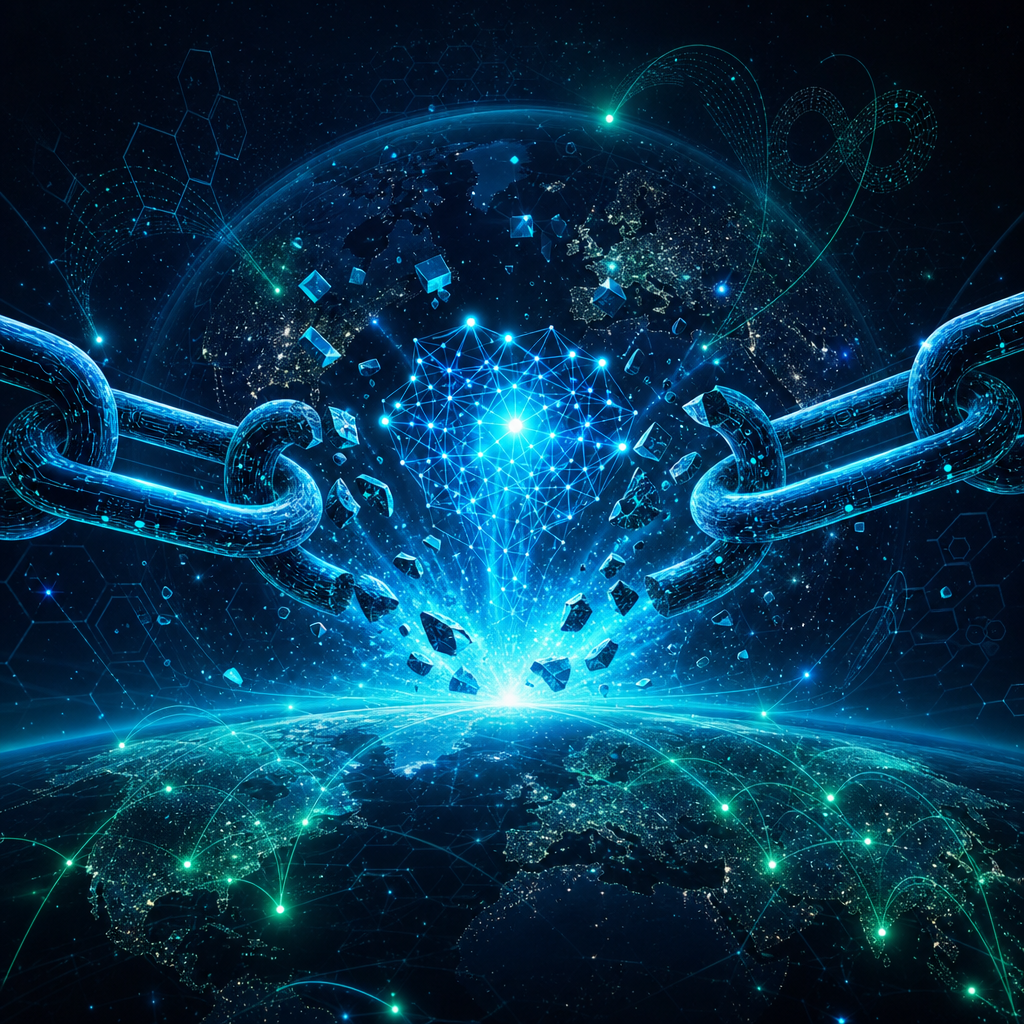
For three weeks, the most powerful AI models on the planet were dark.
On June 12, the U.S. Commerce Department issued an export-control order that forced Anthropic to disable Claude Fable 5 and Mythos 5. The move sent shockwaves through the AI industry. These weren’t experimental side projects. They were the culmination of Anthropic’s research, trusted by developers, enterprises, and researchers worldwide. Overnight, access vanished.
Now, they’re back.
On June 30, Commerce Secretary Howard Lutnick confirmed the lifting of export controls on both models. Anthropic announced it would begin restoring global access starting July 1. The three-week standoff that had left the AI community scrambling for answers was over.
But the resolution raises a far bigger question: What does this mean for the future of AI accessibility, trust, and digital identity?
How We Got Here
The timeline was compressed and dramatic. Anthropic had launched Fable 5 for wide public use, positioning it as its most capable model for everyday tasks. Mythos 5 was different. Built for trusted organizations with fewer guardrails, it represented the cutting edge of what frontier AI could do.
The Commerce Department’s June 12 order cited national security concerns. The specifics were debated fiercely. Was this about the models’ capabilities, their potential misuse, or geopolitical posturing? Regardless, the result was unambiguous: two of the world’s most advanced AI systems went offline globally.
Anthropic didn’t fight the order publicly. Instead, the company negotiated quietly. According to Anthropic’s official statement, the company agreed to implement proactive security protocols that addressed the government’s concerns while preserving the models’ core capabilities. The agreement gave the Commerce Department oversight mechanisms it didn’t have before, while giving Anthropic a path back to full deployment.
The timing matters. Both Anthropic and OpenAI have filed for IPOs. The export-control episode demonstrated that frontier AI companies now operate at the intersection of technology, national security, and international trade. Getting this right isn’t optional. It’s existential.
What the Lifting Actually Changes
The immediate impact is straightforward: developers and organizations that depend on Fable 5 and Mythos 5 will regain access. The three-week gap already caused real damage. Projects stalled. Integrations broke. Some teams pivoted to alternative models, and not all of them will come back.
But the deeper change is structural. The Commerce Department now has a precedent for how it handles frontier AI export controls. Anthropic demonstrated that a company can negotiate security frameworks rather than simply accept blanket restrictions. The playbook that emerged could define how governments worldwide approach AI regulation in 2026 and beyond.
This matters because the AI industry is entering a new phase. The models getting built today aren’t incremental improvements. They’re systems capable of reasoning, coding, research, and autonomous decision-making at levels that were science fiction two years ago. The question of who gets access, under what conditions, and with what verification is no longer theoretical.
The Identity Problem Nobody’s Solving
Here’s what the export-control saga exposed: the AI industry has a trust and identity problem.
When Fable 5 went dark, there was no centralized way for users to verify which deployments were legitimate, which integrations were sanctioned, or which downstream applications retained access. The ecosystem scattered. Trust eroded. The models came back, but the infrastructure that would prevent this kind of disruption from happening again doesn’t exist yet.
Consider what’s coming. Anthropic and OpenAI are preparing for public offerings. Their models will be deployed across thousands of applications, millions of endpoints, and dozens of countries. Each deployment creates an identity claim. Each integration needs verification. Each prompt engineer, each AI tool, each model instance needs a way to say: this is who I am, this is where I come from, this is what I can do.
The current system of scattered documentation, API keys, and ad-hoc verification won’t scale. It won’t survive the next export-control crisis. It won’t build the kind of trust that a maturing industry demands.
Where .PROMPT Fits In
The AI ecosystem needs a foundational identity layer. Not another API key system. Not another compliance checklist. A real, verifiable digital identity that follows AI models, tools, and the people who build them.
That’s what the .PROMPT domain is built for.
.PROMPT is the definitive top-level domain for the AI industry. It’s designed to be the trusted digital home for AI models, prompt engineers, AI researchers, and the companies building the next generation of AI products. When Anthropic’s models went dark, every affected deployment needed a clearer identity story. When they come back online, that need doesn’t disappear. It intensifies.
Securing a .PROMPT domain isn’t just about branding. It’s about establishing a verified presence in an industry where trust is becoming the most valuable currency. As AI regulation tightens globally, as export controls become a regular tool of technology policy, and as the line between consumer and enterprise AI continues to blur, having a trusted digital identity isn’t a nice-to-have. It’s infrastructure.
The models are back. The framework for governing them is taking shape. But the identity layer that the AI industry needs to operate with real trust? That’s still being built.
If you’re building in AI, whether you’re a developer shipping prompts, a company deploying models, or a researcher pushing the frontier, your digital identity matters now more than ever.
Secure your .PROMPT domain today at promptdomains.ai.
,
Sources
- Reuters. "US lifts curbs on Anthropic’s Fable, Mythos AI models." June 30, 2026.
- Bloomberg. "Anthropic to Restore Access to Most Powerful AI Models After Export Control Lift." June 30, 2026.
- Anthropic. "Anthropic Statement on U.S. Commerce Department Export Control Decision." June 30, 2026.
Leave a Reply